Capital investment cannot correct a distribution problem. Equipment determines what a lab can deliver. Location determines whether anyone arrives to receive it.
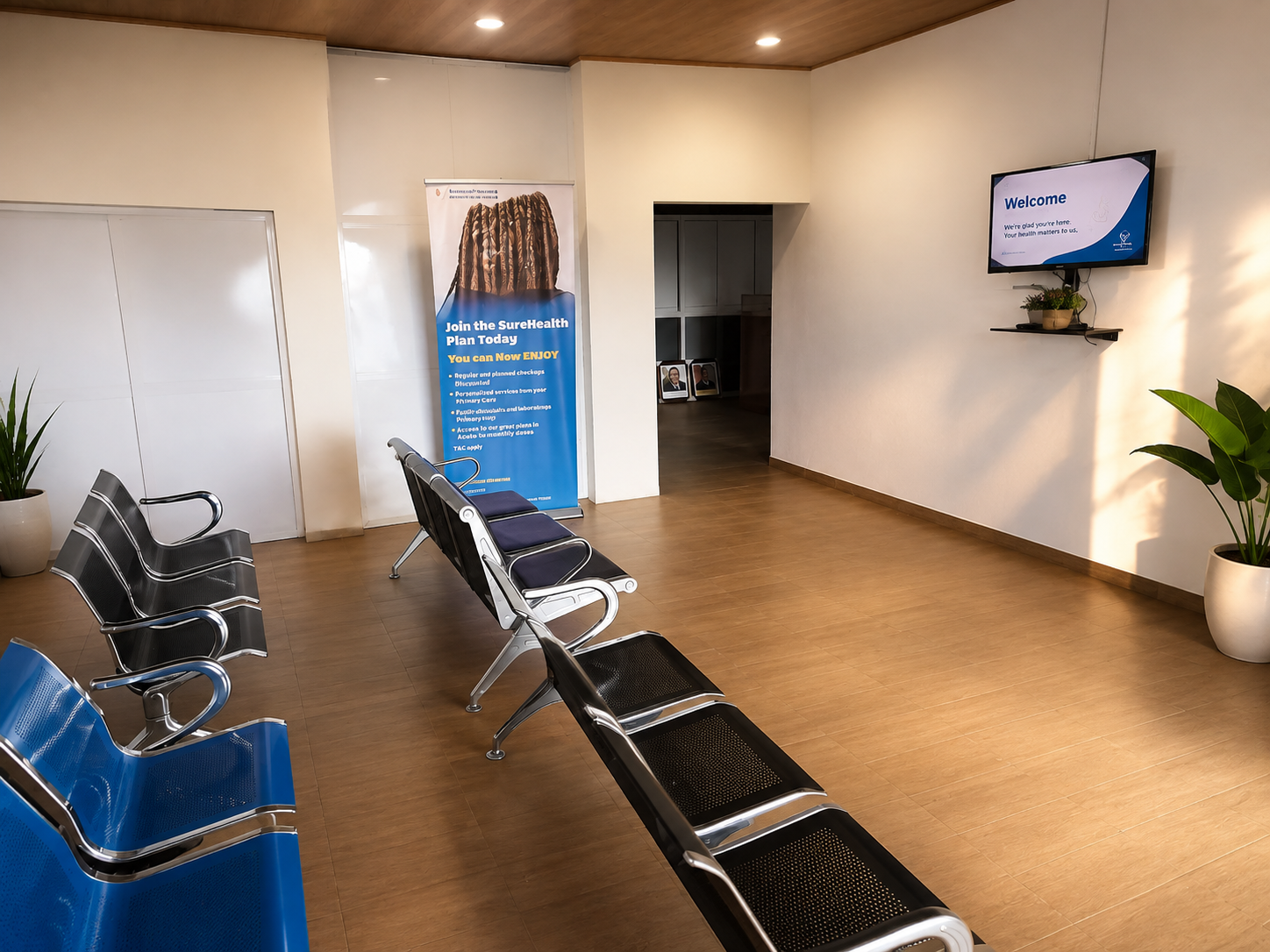
A diagnostic laboratory with industry-leading equipment that was looking to expand her profit margin,
repositioned around where its patients actually lived.
Riverside had invested heavily in the most efficient machines in its category. The founder's assumption was that a business with the best equipment and no profit had an operations problem.
The assessment found the equipment was never the constraint. The building was. What followed was a full strategic repositioning — location, brand, team, and build-out — under one engagement.
Sustained losses despite premium diagnostic capability.
Riverside was operating at a loss despite significant capital investment in diagnostic hardware. The founder's brief was open: assess the business end to end, and commit to acting on whatever the assessment produced.
That second condition mattered. It meant the engagement was not scoped to operational tuning, which is where most assessments of this kind quietly stop.
Two phases. Staff. Then the map.
The first phase was staff interviews covering daily workflow, recurring friction, who the patients actually were, and how those patients found the lab in the first place.
The second phase mapped the existing location against that patient profile. Riverside occupied a unit in a mall tenanted mainly by lifestyle and food retailers. Two problems compounded each other.
The mall drew a crowd that was not shopping for diagnostic services, and the unit's position within the mall shielded it from what walk-through traffic did exist.
The lab was invisible to a crowd that was not looking for it.
Three structural conclusions from the assessment.
Capital investment cannot correct a distribution problem. Equipment determines what a lab can deliver. Location determines whether anyone arrives to receive it.
Co-tenancy is a demand signal. A diagnostic service inside a lifestyle-and-food mall inherits that mall's intent, and diagnostic intent does not travel with a shopping trip.
Access is not the same as proximity. The question was not how far patients lived from the lab, but how much effort it took them to get there.
Five pillars. One thesis about where the patients were.
The lease was not renewed. Renewal would have meant paying to remain invisible while the business continued to lose money. The relocation cost was real, but it was a one-time cost against a recurring one.
Site selection started from where the target patients lived, not from available commercial inventory. The selected location sits in the centre of the city, within the catchment and accessible without effort.
Rather than backfill the same roles, I headhunted against the requirements of the new site. A location with genuine walk-in traffic needs front-of-house capability the old unit never had to develop. The new team was recruited and trained before opening.
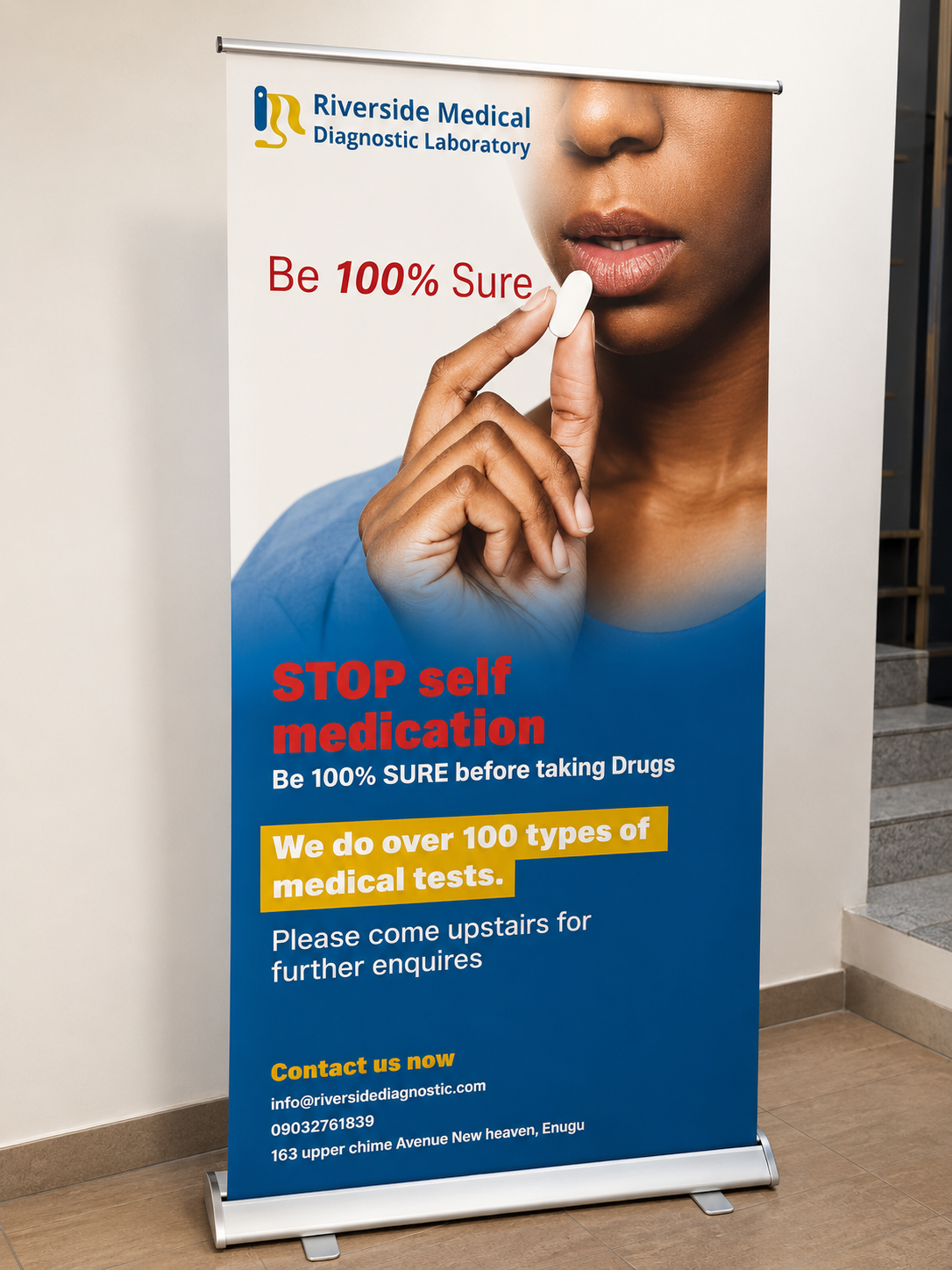
The new site could be seen, which made identity a live commercial question for the first time. I developed the brand and applied it across the new location so that the visibility the relocation bought was actually converted into recognition and recall.
I supervised the build-out of the new location directly. Relocation strategy fails in the execution more often than in the analysis: layout that ignores patient flow, signage that misses the sightline, a fit-out that drifts from the brief. Owning the setup meant the site that opened was the site the strategy specified.
The visibility the relocation bought, converted into recognition.
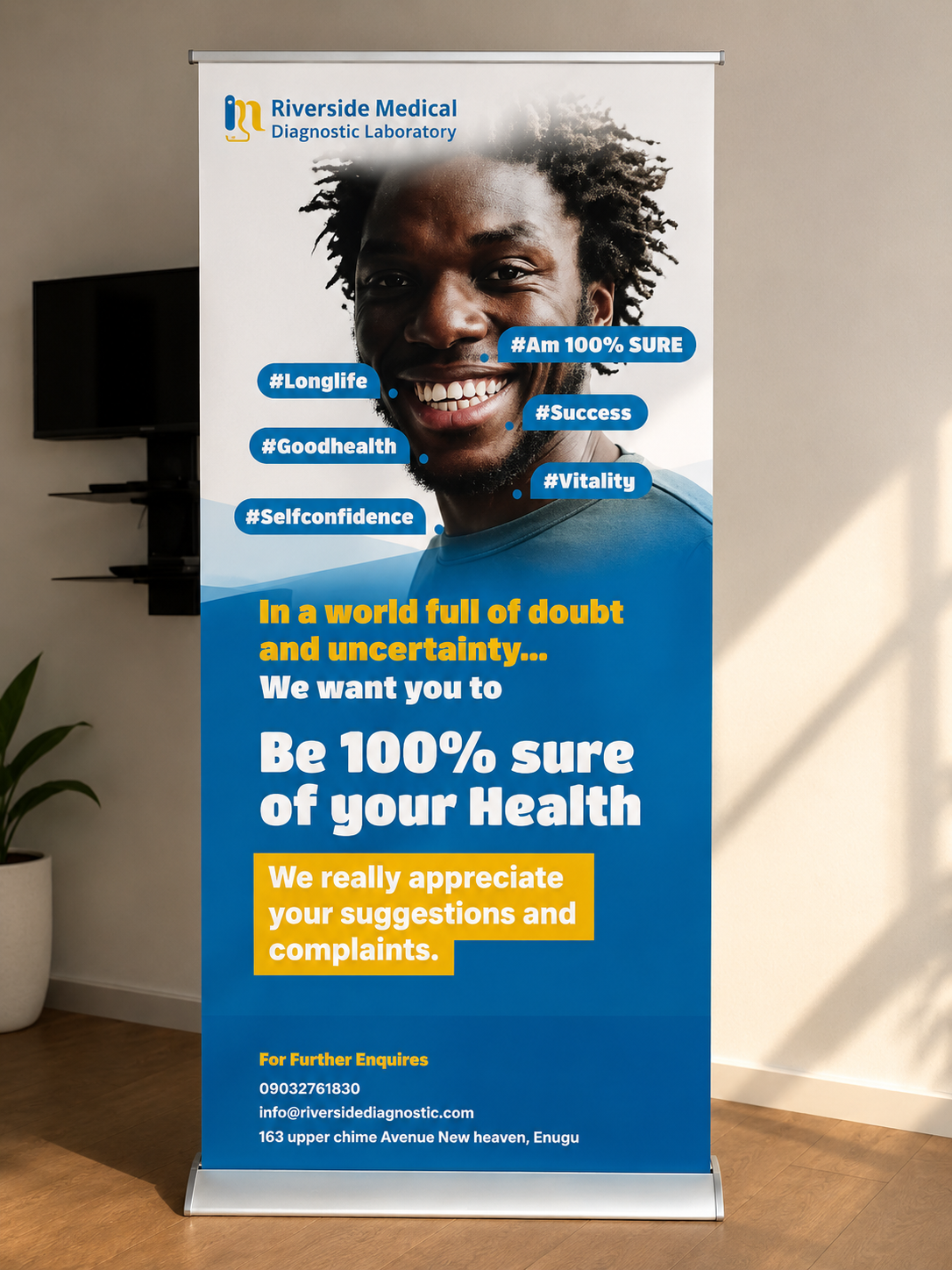
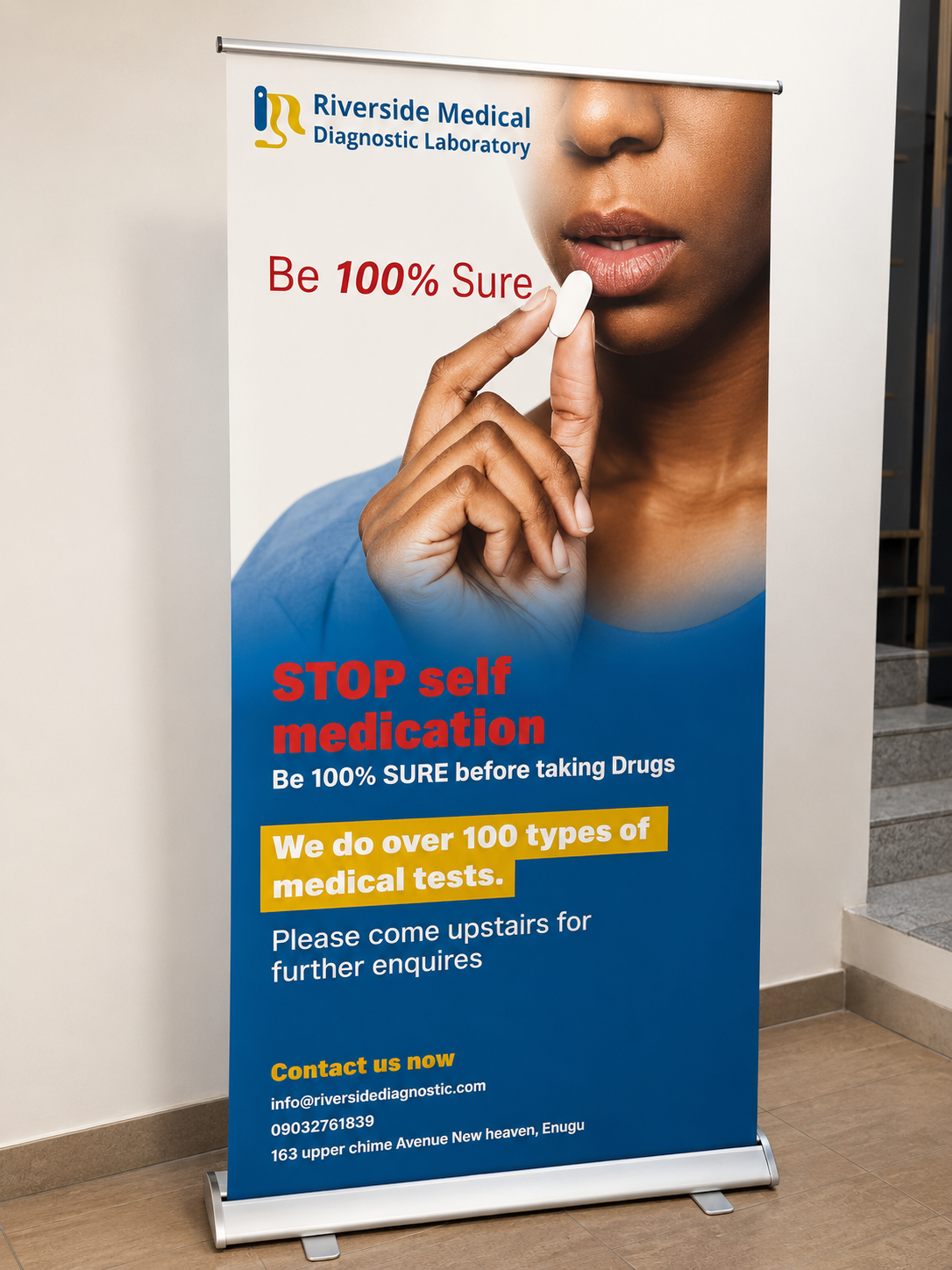
Revenue and patient volume grew at the same rate. Average revenue per patient did not change, which means none of the growth came from pricing, upselling, or a different service mix. It came entirely from more of the right people arriving.
That is the location thesis confirming itself. The equipment did not change. The service did not change. The catchment did.
Diagnostic equipment moved toward its intended utilisation
Patient acquisition stopped depending on incidental discovery
Staffing rebuilt around the new location's operating requirements
Brand identity converting visibility into recognition and recall
A business can be efficient at every step of a process that no one is arriving to use.
Riverside's founder had solved the problem he could see. Efficiency was measurable, so efficiency got the investment. The constraint that was actually costing him money sat outside the walls of the business, in the gap between where the service was and where its patients were.
The most expensive assumption in the business was that the problem was internal.
The recommendation was a relocation, which is the kind of recommendation that dies in a slide deck. It survived because the engagement did not stop at the recommendation. Site selection, brand, build-out, and hiring were all downstream of a single thesis about where the patients were, and keeping them under one owner is what kept them aligned to it.
Have a project in mind? I bring strategic research and business consulting into your next initiative. Let's have a conversation about what's possible.
Start a Conversation